1. Listen first
The team asks what the resident wants to keep and what worries them most. Nothing starts until those answers are heard.
South Valley, NM · Bernalillo County
Not sure where to start with a hoarding cleanup in South Valley, NM? Call (877) 812-4220 and describe the home. The team explains how safety work, sorting and cleaning usually unfold, with no pressure.
If anyone is in danger, call 911 first. For a suicide crisis, call or text 988.
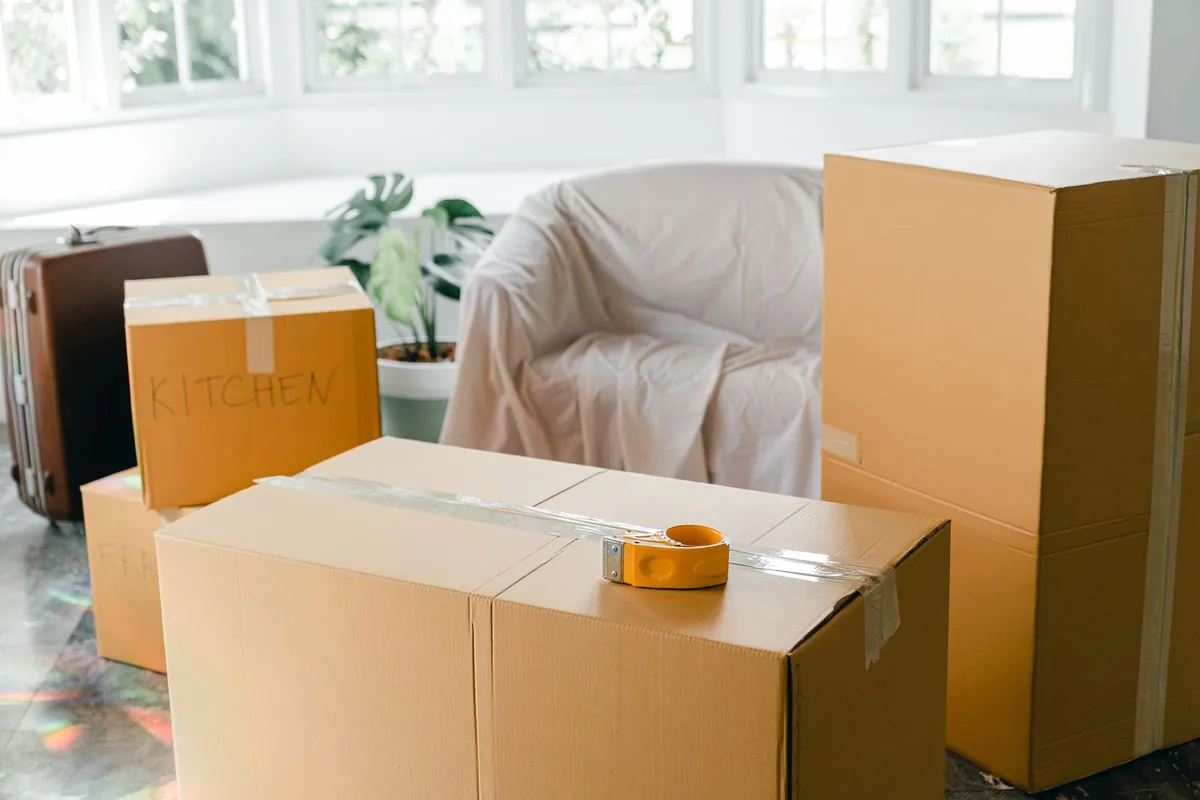
Hoarding cleaning is not a quick purge. It is a planned process of sorting belongings into keep, donate and remove, then cleaning what is left, with the resident involved at every stage.
Every hoarding cleanup in South Valley should be a private matter. You get crews who work quietly, speak respectfully and keep what the resident chooses to keep, whether you call South Valley Biohazard Cleanup Help from Bernalillo County or beyond.
Typical homes in South Valley date to around 1970, and a house that old may hide moisture, pests or weak spots under heavy piles. Fewer older adults in South Valley live alone, about 24%, but a shared home can still be unsafe when exits and stairs are crowded.
Hoarding Cleanup in South Valley usually includes:
The team asks what the resident wants to keep and what worries them most. Nothing starts until those answers are heard.
Hauling routes are marked, trash bags and bins are set up, and protective equipment is put on. The neighbors are considered, too.
Crews sort, bag and haul in a set order. The pace follows what the resident can handle.
The home is walked with the resident. The team points out what changed and what still needs attention.
Expect hoarding cleanup in South Valley, NM to cost roughly $500 to $25,000, with the final price set after an on-site assessment.
A short deadline from a landlord, a lender or a city office can change how many people the team sends, and so the price. Mention any date early.
| Type of job | Typical range |
|---|---|
| Most homes, per square foot | $1 - $2 per square foot |
| Level 1, light | $500 - $1,500 |
| Level 2 | $1,000 - $3,000 |
| Level 5, severe | $10,000 - $25,000+ |
Estimates only, not a quote. Sources: Dropcurb, Lifecycle Transitions. Price drivers include level of accumulation, home size, whether exits and rooms are blocked, pests or animal waste. Call (877) 812-4220 to talk through the job.
Speak calmly, start with safety and ask what they want to keep. Avoid blame and surprises, and agree on a small first step. Many people feel more at ease once they know who will be in the home and what will happen.
Yes. The resident decides what stays, what is donated and what is removed. Valuables, documents, photos and medicine are set aside first, and nothing leaves the home without agreement.
Usually not for the buildup itself, since many policies exclude long-term conditions. A policy may help with a specific event such as a fire, a leak or a sewage backup. Read the policy, call the insurer before work starts, take photos and keep receipts.
Not always, but it often helps. When the resident is present, sorting goes more smoothly and decisions are respected. If the resident cannot attend, the family or caller can set clear rules about what is kept.
Hoarding disorder is a recognized mental health condition. Whether it counts as a disability for housing or work depends on the situation and the law. A tenant rights group, a housing agency or an attorney can answer for a specific case.
Most often the resident or the property owner pays, and family members sometimes share the cost. In a rental, the lease and local law decide between landlord and tenant. Some local aging services or housing agencies help in some places, so it is worth asking.
Call and ask how valuables, papers and keepsakes are kept safe.
Call (877) 812-4220